Behavior Bench treats AI behavior as something designed, tested, and reviewed. The interface makes model responses visible as product decisions rather than mysterious outputs.
Concept / project study
Behavior Bench
How might teams review AI behavior like a designed product surface?
Shows product thinking around AI quality, not just interface polish: behavior, evaluation, and team decision-making.
A product team is refining an AI feature. They have multiple prompt versions and model outputs, but they need to compare quality across realistic user scenarios before shipping.
AI behavior can feel invisible until it fails. Teams need a practical way to compare outputs and make product-level decisions before launch.
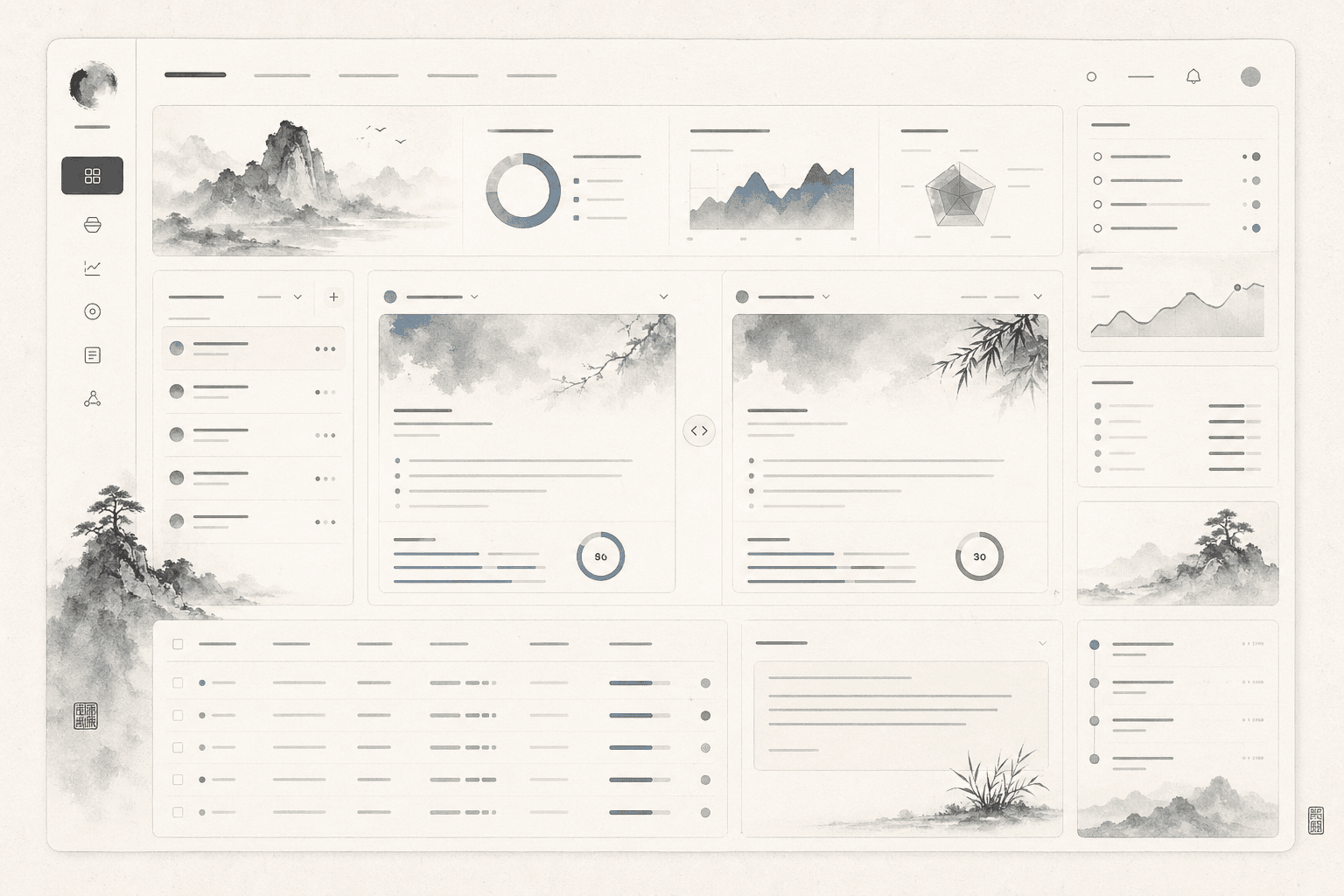
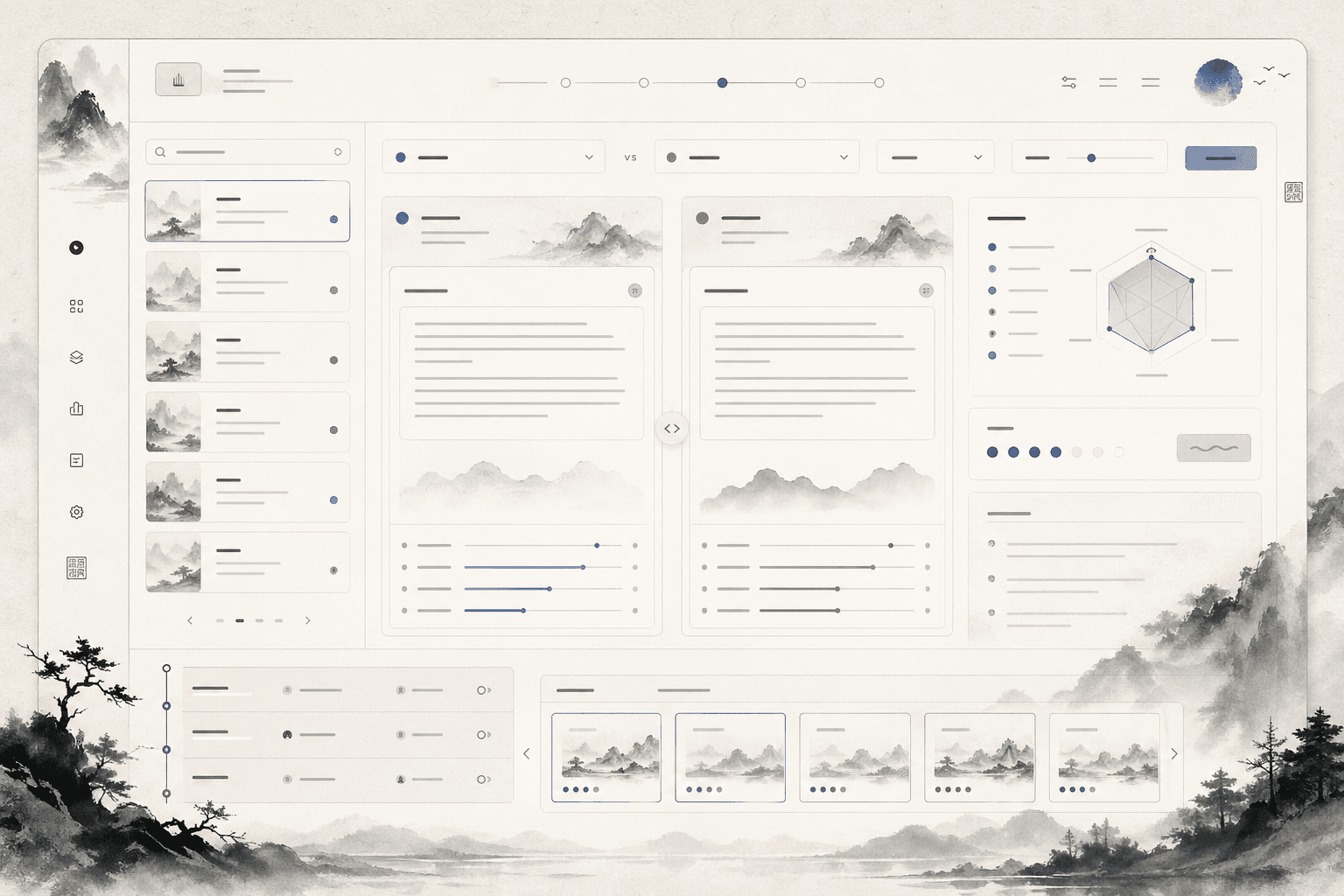
Design decisions
What the interface needs to make clear.
Compare behavior side by side
The core layout makes differences easy to see: same scenario, different outputs, clear evaluation criteria.
Make quality discussable
Scoring is lightweight and tied to product goals so teams can discuss whether a response is useful, safe, clear, or on-brand.
Preserve the reason behind decisions
Accepted and rejected versions need notes. This keeps future changes from repeating old mistakes.
Prototype flow
How someone would move through it.
Choose a scenario
The team selects a realistic user situation to test against.
Compare outputs
Prompt and model versions appear side by side with visible differences.
Record a decision
Reviewers score quality, write notes, and preserve why one behavior should ship.
Interaction model
How the experience works
- Scenarios define the behavior the product should support
- Side-by-side outputs reveal differences across versions
- Quality criteria make review less subjective
- Decision notes preserve why a behavior was accepted or rejected
Prototype plan
How it becomes real
- Comparison dashboard with sample scenarios
- Prompt and model version history
- Lightweight scoring rubric and evaluator notes
- Behavior change log for release review
What to notice
Why this project matters for Wanling's profile.
- Shows product maturity around AI evaluation and launch readiness.
- Turns invisible model behavior into a reviewable team workflow.
- Combines dashboard UX with practical product operations.
The next build should use a small set of scenarios and prompt versions, then add scoring and reviewer notes.